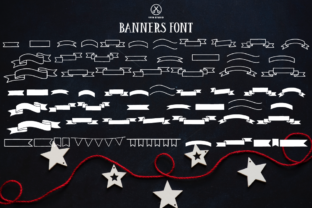
Decorative Banners: Enhancing Visual Appeal and Brand Identity
In the world of design and marketing, visual elements play a crucial role in capturing attention and conveying messages effectively. One such element that has gained popularity is the decorative banner. These eye-catching graphics are more than just aesthetic additions; they serve as powerful tools for communication, branding, and engagement. Whether you're a business owner, a creative professional, or simply someone looking to enhance your online presence, understanding what decorative banners are and how they can be used is essential.
What Are Decorative Banners?
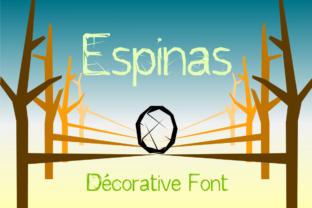
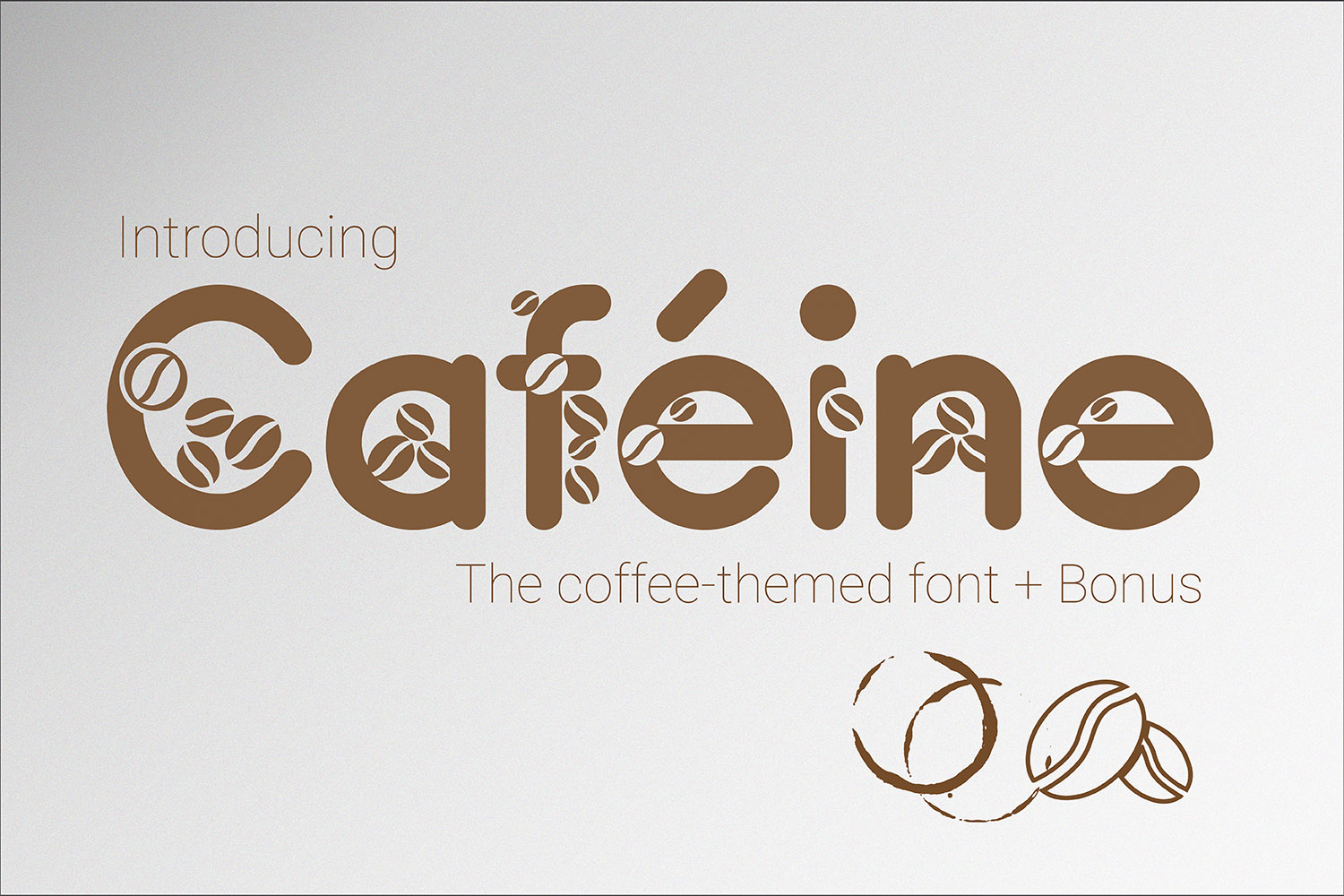
A decorative banner is a type of graphic design that combines visual appeal with functional purpose. It typically features bold colors, intricate patterns, and sometimes typography to create an attractive visual element. Unlike standard banners used for advertising or navigation, decorative banners focus on enhancing the overall look and feel of a space—whether digital or physical.
These banners are often used to highlight specific content, set the tone of a website, or add a unique touch to a product display. They can be found in various formats, including digital banners for websites, social media posts, and print materials like posters or signage.
The Purpose and Features of Decorative Banners
The primary purpose of a decorative banner is to draw attention and create a memorable impression. They are designed to stand out while maintaining a cohesive style that aligns with the overall design of a project. Key features include:
- Visual Impact: Bold colors and striking designs make these banners highly visible.
- Customization: They can be tailored to match brand identities, themes, or specific events.
- Flexibility: Available in multiple sizes and formats, making them adaptable for different platforms.
- Emotional Connection: Thoughtful design can evoke emotions and reinforce brand messaging.
By incorporating these elements, decorative banners become more than just visuals—they become part of a larger storytelling strategy.
Where Can Decorative Banners Be Used?
The versatility of decorative banners makes them suitable for a wide range of applications. Here are some common scenarios where they shine:
- Website Design: As headers or section dividers, they help break up content and guide user navigation.
- Social Media: Eye-catching banners can be used as profile pictures, cover photos, or post headers to increase engagement.
- Event Promotion: For weddings, conferences, or festivals, banners can set the mood and convey key details.
- Product Displays: In retail environments, they attract customers and highlight special offers or new arrivals.
- Print Materials: Posters, flyers, and brochures often use decorative banners to make information more visually appealing.
Whether online or offline, decorative banners have a place in almost any design project.
Who Benefits from Using Decorative Banners?
Many individuals and businesses can benefit from integrating decorative banners into their projects. Here’s a closer look at who might find them useful:
- Business Owners: Enhance brand visibility and create a professional image across all platforms.
- Creators and Artists: Use banners to showcase their work or promote exhibitions and events.
- Marketing Professionals: Leverage visually engaging elements to improve campaign effectiveness.
- Event Planners: Add flair and structure to event materials and decorations.
- Students and Educators: Create engaging presentations or classroom materials with dynamic visuals.
With the right approach, decorative banners can elevate the quality and impact of any visual project.
Strengths and Considerations
While decorative banners offer numerous benefits, it's important to consider their limitations and practical expectations. One of their main strengths is their ability to capture attention quickly. However, overuse or poor design can lead to clutter and confusion.
When creating or selecting a decorative banner, it's crucial to maintain balance. The design should complement the surrounding content rather than overshadow it. Additionally, the choice of colors, fonts, and imagery should align with the intended message and audience.
Another consideration is the technical aspect. Digital banners must be optimized for different screen sizes and resolutions to ensure a consistent experience across devices. For print, high-quality images and proper color matching are essential to maintain visual integrity.
Real-World Applications of Decorative Banners
To better understand the value of decorative banners, let's explore a few real-world examples:
- E-commerce Websites: Online stores often use banners to highlight seasonal sales or featured products, increasing click-through rates and conversions.
- Nonprofit Organizations: Banners can be used to raise awareness about causes, featuring compelling visuals and clear calls to action.
- Community Events: Local fairs, art shows, and cultural festivals frequently use banners to inform attendees and create a vibrant atmosphere.
- Personal Blogs: Bloggers may incorporate banners to reflect their personality or theme, making their site more engaging and unique.
These examples demonstrate how decorative banners can be adapted to suit various needs and goals.
Evaluating the Suitability of Decorative Banners
If you're considering using decorative banners for your next project, here are some factors to evaluate:
- Objective: What is the primary goal of the banner? Is it to inform, entertain, or persuade?
- Target Audience: Who will see the banner, and what visual style resonates with them?
- Platform: Will the banner be used online, offline, or both? This affects design and technical requirements.
- Budget: Custom designs may require a higher investment, while pre-made templates offer a cost-effective alternative.
- Time Constraints: How much time do you have to create or source the banner?
By carefully assessing these factors, you can determine whether decorative banners are the right choice for your specific situation.
Conclusion
Decorative banners are more than just decorative elements—they are strategic tools that can enhance visual appeal, communicate messages, and engage audiences. Whether you're designing a website, promoting an event, or simply looking to add a personal touch to your space, these banners offer a versatile and effective solution.
As with any design element, the key to success lies in thoughtful planning and execution. By understanding the purpose, features, and applications of decorative banners, you can make informed decisions that align with your goals and values. With the right approach, these banners can transform your visual content and leave a lasting impression on your audience.