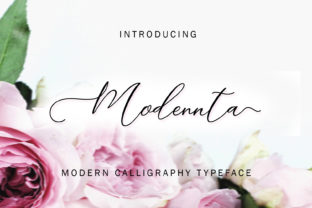
Modennta Script: A Modern Approach to Typography and Design
Modennta Script offers a unique blend of elegance and functionality, making it a compelling choice for designers, developers, and content creators seeking a versatile typeface. Its clean lines, balanced proportions, and adaptable structure position it as a valuable asset in both digital and print environments. Whether used for branding, web design, or editorial layouts, Modennta Script delivers a professional aesthetic that aligns with contemporary design trends.
As the demand for visually appealing and readable fonts continues to grow, Modennta Script stands out by balancing form and function. It’s not just about looking good—it’s about performing well across various platforms and applications. This article explores what makes Modennta Script worth considering, its practical value, and how it might fit into your creative workflow.
What Is Modennta Script?
Modennta Script is a modern script font designed for readability and visual appeal. It combines the fluidity of handwritten typography with the precision of digital design, offering a natural yet structured appearance. The font’s character set includes standard letters, ligatures, and alternate forms, allowing for greater customization and expressive potential.
Unlike many script fonts that prioritize style over usability, Modennta Script maintains a high level of legibility, even at smaller sizes. This makes it suitable for body text, headings, and other typographic elements where clarity is essential. Its versatility ensures that it can be used in a wide range of projects, from website copy to marketing materials.
Key Characteristics and Strengths
One of the standout features of Modennta Script is its consistent stroke weight and uniform spacing. These attributes contribute to a polished look that works well in both horizontal and vertical layouts. The font also supports multiple languages, making it a global solution for international projects.
Another strength lies in its adaptability. Modennta Script comes in various weights and styles, including regular, bold, and italic variations. This flexibility allows designers to match the font to different design contexts without compromising visual harmony. Additionally, the font’s open-source nature or affordable licensing options make it accessible to a broad audience.
The font’s design philosophy emphasizes simplicity and clarity. While it retains the organic feel of a script, it avoids excessive flourishes or overly complex shapes that could hinder readability. This balance makes it ideal for users who want a script font that doesn’t sacrifice functionality for aesthetics.
Real-World Performance and Usability
In practical use, Modennta Script performs well across different mediums. On digital screens, it renders smoothly at various sizes, maintaining sharpness and clarity. For print projects, the font’s clean lines ensure that details remain visible and consistent, regardless of the paper quality or printing method.
When used in web design, Modennta Script integrates seamlessly with CSS and responsive design principles. Its compatibility with major browsers and operating systems ensures that the font appears as intended across devices. Developers can also customize the font using tools like Google Fonts or custom CSS, further expanding its utility.
For content creators, Modennta Script provides a stylish yet professional option for headlines, captions, and other typographic elements. Its ability to convey a sense of sophistication without being too ornate makes it a popular choice for blogs, magazines, and social media graphics.
Who Benefits Most From Modennta Script?
Professionals in fields such as graphic design, web development, and content creation will find Modennta Script particularly useful. Its combination of style and readability makes it an excellent choice for branding projects, where a strong visual identity is crucial. Entrepreneurs and small business owners can leverage the font to enhance their logos, websites, and promotional materials.
Freelancers and independent creators may also appreciate Modennta Script for its affordability and ease of use. Whether designing a portfolio site or crafting social media posts, the font offers a polished look that elevates the overall presentation. Educators and students can benefit from its accessibility, using it in presentations, worksheets, or digital learning resources.
Additionally, marketers and advertisers can use Modennta Script to create eye-catching headlines and call-to-action buttons. Its modern appearance aligns with current design trends, helping campaigns stand out in a competitive landscape.
Practical Recommendations and Limitations
While Modennta Script is highly versatile, it’s important to consider its limitations. For instance, it may not be the best choice for long blocks of text due to its script style, which can reduce readability in extended paragraphs. In such cases, pairing it with a sans-serif font for body text can provide a more balanced approach.
Users should also verify the font’s licensing terms to ensure compliance with their project requirements. Some versions may require attribution or have restrictions on commercial use, so it’s wise to review the license before incorporating the font into a final product.
Testing the font in different contexts is recommended to assess its performance. Experimenting with size, color, and background can help determine the optimal way to use Modennta Script for specific projects. This hands-on approach ensures that the font meets both aesthetic and functional goals.
Conclusion
Modennta Script represents a thoughtful approach to typography, blending artistic expression with practical design. Its clean lines, readability, and adaptability make it a valuable tool for a wide range of users. Whether you’re a designer, developer, marketer, or educator, Modennta Script offers a reliable and stylish option for enhancing your work.
By understanding its strengths and limitations, you can make an informed decision about whether Modennta Script fits your needs. As with any design element, the key is to use it intentionally and in ways that support your overall vision and goals.